CINEMATOGRAPHY
4-WEEK INTENSIVE CINEMATOGRAPHY PROGRAM (FOUNDATION LEVEL)
Course Content
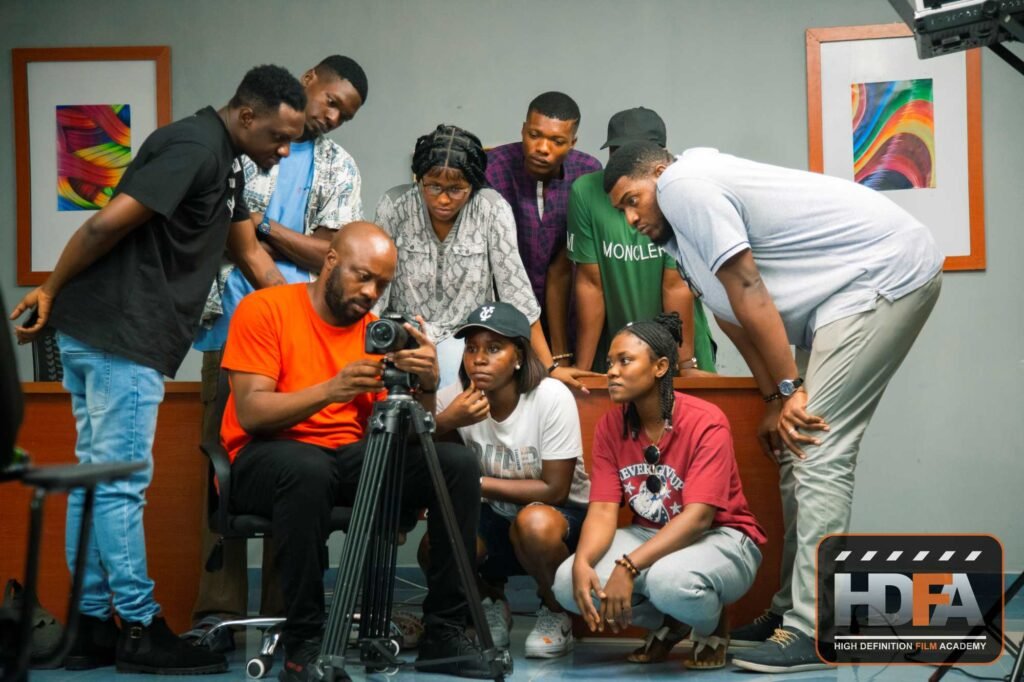
The 4-Week Intensive Cinematography Program provides students with a solid foundation in the art, craft, and business of cinematography for film and television. Students are introduced to the fundamentals of photography and visual storytelling, camera systems and settings, lenses, exposure, composition, interior and exterior lighting, camera movement, shot design, and basic production design concepts.
Training follows a rigorous structure of classroom lectures and hands-on practicals from Monday to Thursday, with Fridays to Sundays dedicated to film shoots. Over the course of the program, students work on three short film projects of increasing complexity. These films are screened weekly with facilitators and peers present, allowing for structured critique and technical refinement. The fourth week is devoted to shooting and completing the final project, culminating in a formal screening and evaluation.
benefits
- Strong technical and creative foundation in cinematography
- Practical understanding of cameras, lenses, lighting, and shot composition
- Hands-on experience shooting multiple short films
- Weekly feedback that accelerates technical growth
- Ideal entry point for beginners and aspiring cinematographers
TUITION: N350,000 +20% Equipment Handling
8-WEEK INTENSIVE CINEMATOGRAPHY PROGRAM (FOUNDATION + ON-SET IMMERSION)
Course Content
The 8-Week Intensive Cinematography Program is designed for students who want to move beyond technical basics into real-world cinematography practice. The program is divided into two four-week phases.
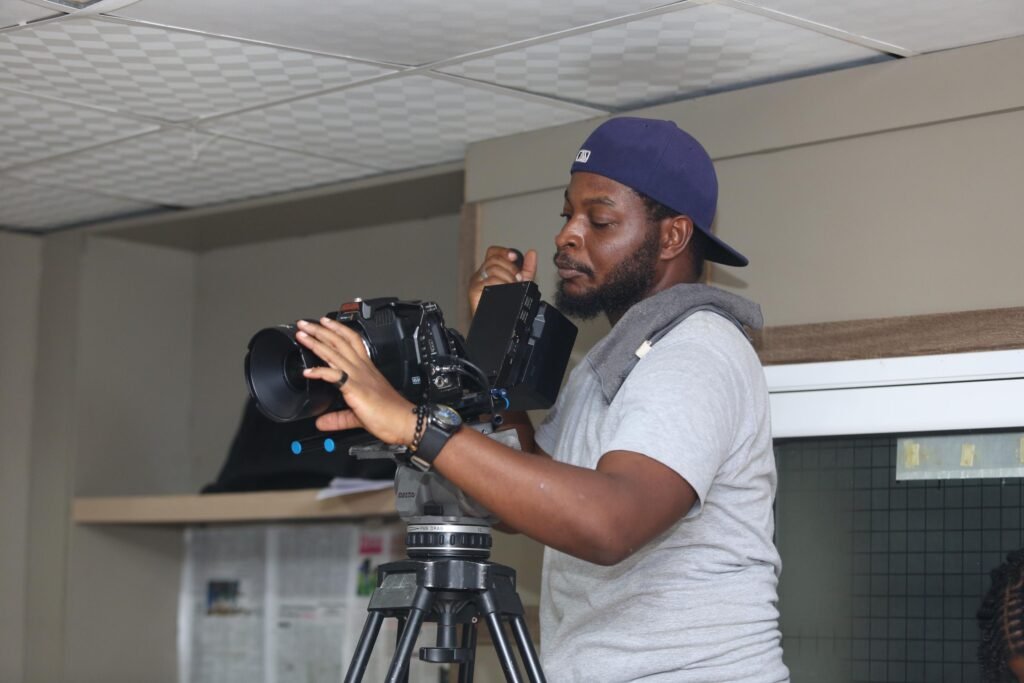
The first four weeks focus on intensive instruction and guided practice, covering advanced camera techniques, lighting design, visual continuity, shot planning, and collaboration with directors and production designers. During this phase, students serve as cinematographers on three short film projects, with weekly screenings and detailed technical critiques.
The second four weeks is a 100% practical, on-set immersion phase, where students work as cinematographers on two professionally produced short films. This phase emphasizes professional workflows, set etiquette, lighting under pressure, problem-solving on set, and working within production constraints.
benefits
- Combines structured learning with full on-set immersion
- Experience shooting five short films in eight weeks
- Direct exposure to professional production environments
- Deeper mastery of lighting, camera movement, and visual storytelling
- Ideal for students preparing for professional set work
TUITION: N650,000 +20% Equipment Handling
6-MONTH PROFESSIONAL CINEMATOGRAPHY PROGRAM (CAREER DEVELOPMENT LEVEL)
Course Content
The 6-Month Professional Cinematography Program is HDFA’s most comprehensive cinematography pathway, designed for students pursuing a career as professional cinematographers or camera professionals. The program begins with intensive foundational and intermediate training in photography, advanced camera systems, lighting design, shot language, color science, production design collaboration, and visual storytelling.
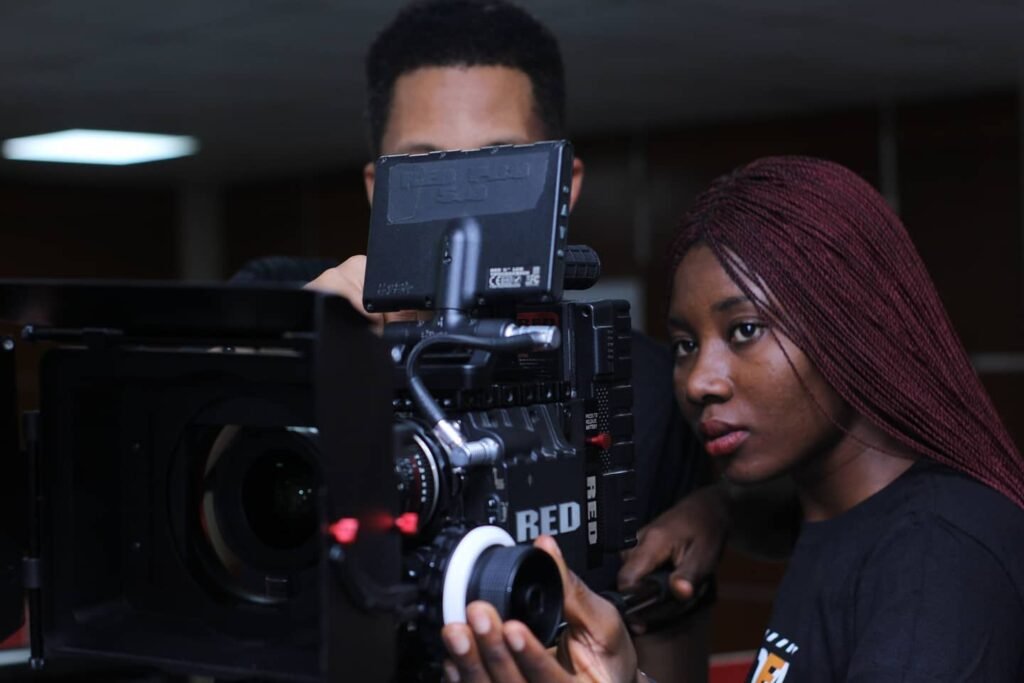
As the program progresses, students engage in extended on-set training, working on multiple short films and larger-scale projects that increase in complexity and responsibility. Emphasis is placed on visual consistency, creative leadership, collaboration with directors, and managing camera and lighting teams. Students also receive exposure to post-production workflows, including basic color grading and image finishing.
The final phase focuses on professional readiness, including showreel development, portfolio curation, industry workflow, and career guidance. Students graduate with a body of work that demonstrates technical excellence, creative vision, and professional competence.
benefits
- Deep, sustained mastery of cinematography over time
- Extensive hands-on experience across multiple productions
- Strong portfolio and showreel-ready cinematography work
- Understanding of both creative and technical leadership on set
- Clear preparation for professional film and television careers